The Hidden Problem Under Your Feet
If you have ever peeled back a corner of carpet that got wet and found a dark, musty stain on the underside, you have seen mold growth on carpet backing firsthand. It is one of those problems that stays out of sight until the smell or a health issue forces you to look. In my years working with moisture-damaged homes, I have pulled up carpet that looked fine on top but was rotting underneath. The backing is where the trouble starts, and by the time you notice it, the mold has often spread into the padding and the subfloor.
Mold needs three things to thrive: moisture, warmth, and a food source. Carpet backing, especially the synthetic latex or jute types common in wall-to-wall installations, provides an ideal surface. When moisture gets trapped under the carpet from a leak, high humidity, or a flood, the conditions are perfect for mold and mildew to colonize. The problem is that most people do not realize the damage is happening until it is well advanced.
What Makes Carpet Backing So Vulnerable?
Carpet backing is designed to hold the fibers together and provide cushioning, but it is also porous. Once moisture seeps through the face fibers, it gets absorbed by the backing and the padding underneath. Unlike a hard floor where water can be wiped up, carpet holds moisture against the subfloor for days or weeks. This creates a slow, steady environment for mold growth on carpet backing to take hold.
The issue is compounded by the fact that carpet is often installed in basements, bathrooms, or areas with poor ventilation. These spaces already have higher humidity, and a small spill or a slow pipe leak can go unnoticed until the odor becomes impossible to ignore. I have seen cases where a minor roof leak caused mold to spread across an entire room, hidden beneath a carpet that looked dry on top.
The Role of Moisture and pH
Moisture alone is not the only factor. The pH level of the water that soaks the carpet matters too. Clean tap water is usually neutral, but floodwater or water from a leaking washing machine can carry detergents, dirt, or minerals that alter the pH and make the backing more hospitable to mold. Some molds prefer slightly acidic conditions, while others thrive in alkaline environments. The interplay of moisture, temperature, and pH determines how quickly mold growth on carpet backing spreads.
I once inspected a home where a humidifier had been running continuously in a bedroom for months. The carpet looked fine, but when I lifted a corner, the backing was covered in black mold. The constant moisture from the humidifier had saturated the padding, and the warm room provided the perfect temperature for mold to flourish. The homeowners had been complaining of respiratory issues for weeks before they called us.
Health Risks and Air Quality Concerns
Mold in carpet is not just a cosmetic problem. As the mold grows, it releases spores and volatile organic compounds into the air. These can trigger allergies, asthma attacks, and other respiratory problems. People with weakened immune systems or chronic lung conditions are especially vulnerable. The phrase "sick building syndrome" often traces back to hidden mold in carpets and HVAC systems.
One of the most common culprits is black mold, a term often used for Stachybotrys chartarum, which produces mycotoxins. While not every dark mold is the dangerous type, any significant fungal growth can degrade indoor air quality. The spores are small enough to become airborne when you walk on the carpet, and they can remain suspended for hours. A HEPA vacuum can help remove some spores from the surface, but it cannot reach mold that has penetrated the backing or the padding underneath.
Allergens from mold can also combine with dust mites and pet dander trapped in the carpet fibers, creating a potent mixture that makes indoor air quality worse. For people who already struggle with allergies, this can be a constant source of irritation. If you notice musty smells, headaches, or congestion that improves when you leave the house, mold in the carpet may be the cause.
How to Identify Mold on Carpet Backing
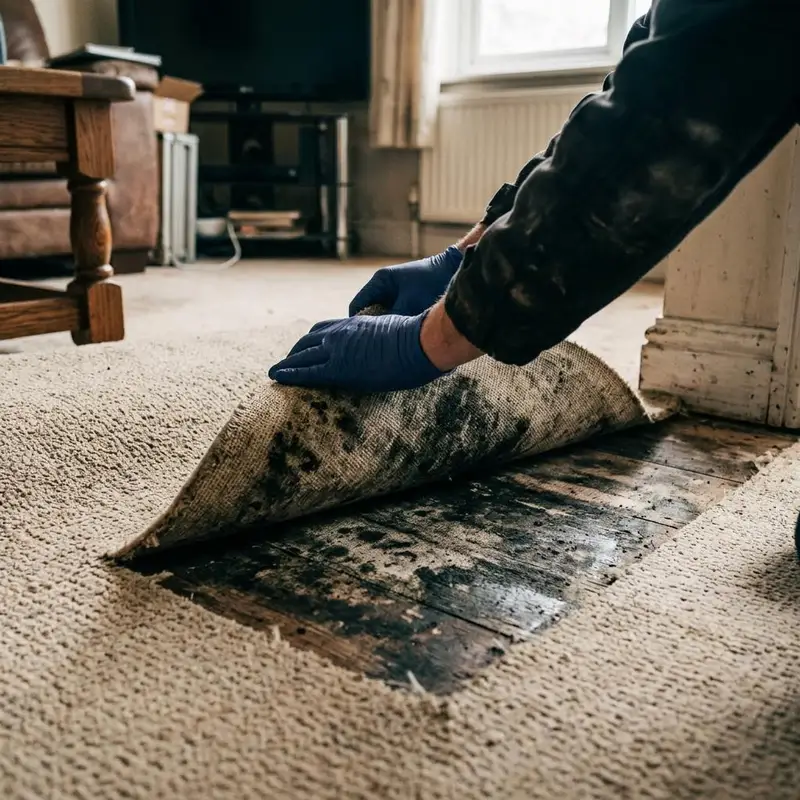
Visual inspection is the first step, but it requires actually looking under the carpet. Pull up a corner near a wall or a seam. If the backing shows dark spots, greenish patches, or a slimy texture, you have mold. The smell is also a strong indicator. A damp, earthy odor that does not go away with cleaning usually points to mold growth beneath the surface.
You can also use an infrared thermometer to check for temperature differences across the floor. Areas that are cooler than the rest may indicate moisture underneath, since water conducts heat differently than dry materials. A moisture meter is even more reliable; you can pick one up at a hardware store. If the reading on the subfloor or padding is above 20 percent, you have a moisture problem that needs attention.
I recommend checking carpets in areas that are prone to spills or humidity: near entry doors, under windows, around potted plants, and in basements. If you have had a flood or a plumbing leak, inspect the carpet within 24 to 48 hours. Mold can start growing within that window if conditions are right.
Cleaning and Remediation Options
Once you confirm mold growth on carpet backing, you have a few choices. Small, isolated patches can sometimes be treated with household products, but extensive growth usually requires professional mold remediation. The key is to address the moisture source first; otherwise the mold will return.
For minor spots, white vinegar is a natural option that can kill some molds. Spray it on, let it sit for an hour, then blot it up with a microfiber cloth. Do not scrub, because that can push spores deeper into the fibers. Vinegar has a low pH that disrupts mold cell walls, but it is not effective against all species. Bleach is often recommended, but I caution against it on carpet. Bleach can discolor the fibers and may not penetrate the backing well. It also releases harsh fumes that can worsen indoor air quality.
Commercial products like Concrobium and RMR-141 are designed specifically for mold remediation. They are less corrosive than bleach and can penetrate porous materials like carpet backing. Spray and Forget is another option for outdoor fabrics, but I have seen it used on indoor carpets with mixed results. The best approach is to use a product that is labeled for indoor use on porous surfaces. Always test a small hidden area first.
When to Call a Professional
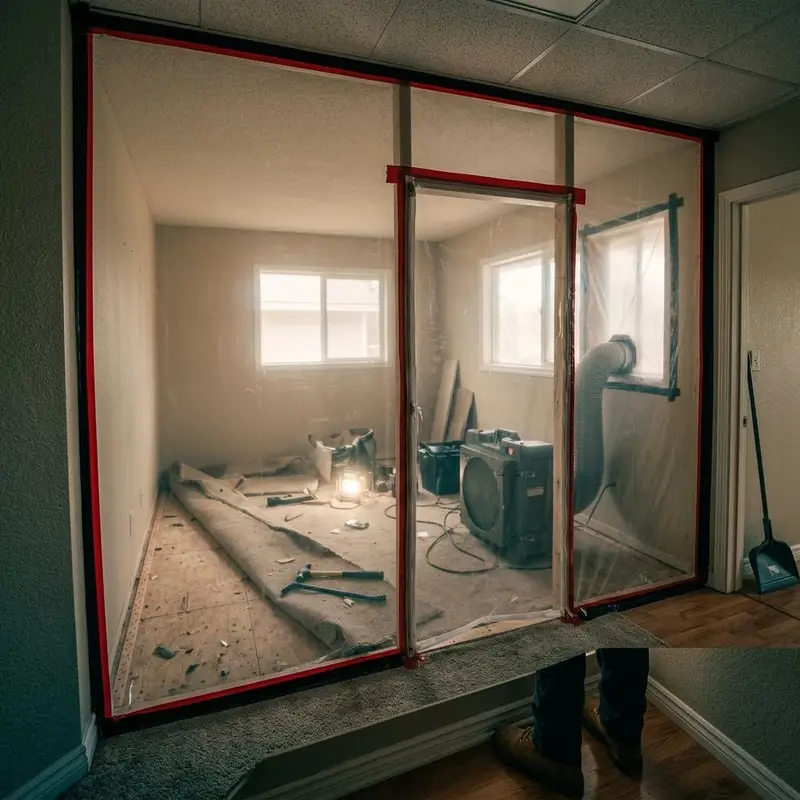
If the mold covers more than a few square feet, or if it has soaked through the padding into the subfloor, it is time to call a specialist. Professional mold remediation involves removing the contaminated carpet and padding, treating the subfloor with antimicrobial agents, and ensuring the area is completely dry before reinstalling new flooring. They use HEPA vacuums to capture airborne spores and may set up containment barriers to prevent cross-contamination.
I have seen homeowners try to save money by only cleaning the top of the carpet and leaving the backing wet. Within a few weeks, the mold returned worse than before. The truth is that once the backing is compromised, the carpet often needs to be replaced. It is not a satisfying answer, but it is the honest one.
Protective gear is essential during any mold cleanup. Wear an N95 respirator, gloves, and goggles. Open windows to ventilate the area. If you have asthma or a compromised immune system, do not attempt the cleanup yourself. Mold spores can become airborne during the process and cause serious reactions.
Prevention: Keeping Carpet Dry
Preventing mold is much easier than removing it. The single most effective step is controlling moisture. Use a dehumidifier in basements and other damp areas. Keep indoor humidity between 30 and 50 percent. Fix leaks immediately, and dry wet carpet within 24 hours. If a spill happens, blot it up with a microfiber cloth and use fans to speed drying.
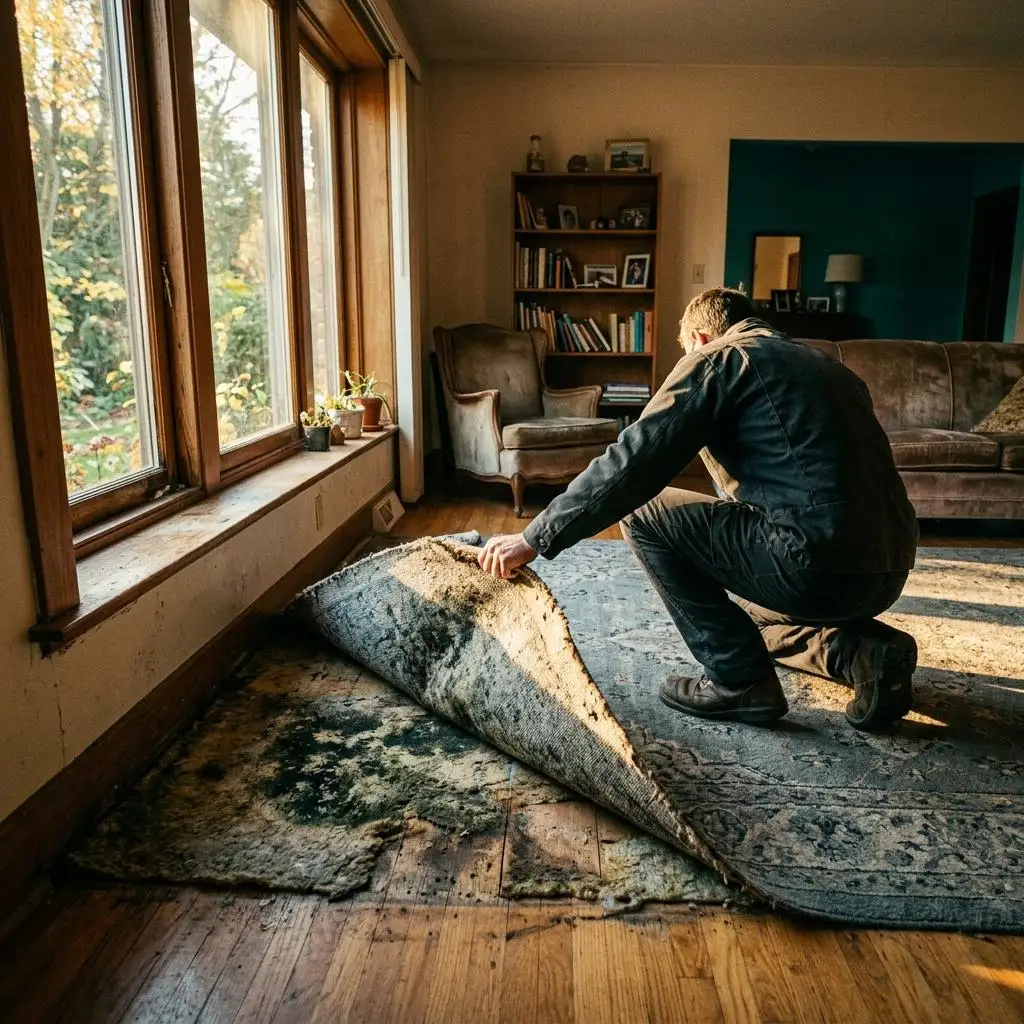
In flood-prone areas, consider replacing wall-to-wall carpet with tile or vinyl flooring. Area rugs can be taken outside and dried, making them less risky. If you do install carpet, choose one with a synthetic backing that is less absorbent than jute. Also, ensure that the subfloor is dry and sealed before installation. A moisture barrier can help in concrete slab floors.
Regular vacuuming with a HEPA vacuum reduces dust and organic material that mold feeds on, but it will not stop mold that is already growing in the backing. The best prevention is vigilance. If you smell something musty, investigate immediately. A few minutes of inspection can save you thousands in remediation costs later.
Final Thoughts
Mold growth on carpet backing is a common but often overlooked problem. It hides beneath the surface, affecting your home's air quality and potentially your health. The good news is that with prompt action and proper moisture control, you can prevent most issues. If you do find mold, do not ignore it. Assess the extent, choose the right cleaning method, and know when to bring in a professional. Your carpet may be salvageable in some cases, but the backing rarely is. The investment in mold remediation or carpet replacement is an investment in your home's safety and your family's well-being.